

In the realm of secret societies, the Independent Order of Odd Fellows (IOOF) holds a fascinating place. To the uninitiated eye, its temples, robes, and emblems often evoke an aura of unfathomable mystery. It is not uncommon for outsiders to feel wary or fearful upon seeing symbols like skulls, or to feel disappointed when they seek—but fail to find—hidden magical secrets. Yet, the true mysticism of Odd Fellowship lies neither in sorcery nor in dark arts, but in a sacred geometry of morality, where every symbol serves as a key to transforming the human spirit. https://link.amazon/B0dIl6pX1
The Threshold of Fear: The Skull and the Hidden Secret
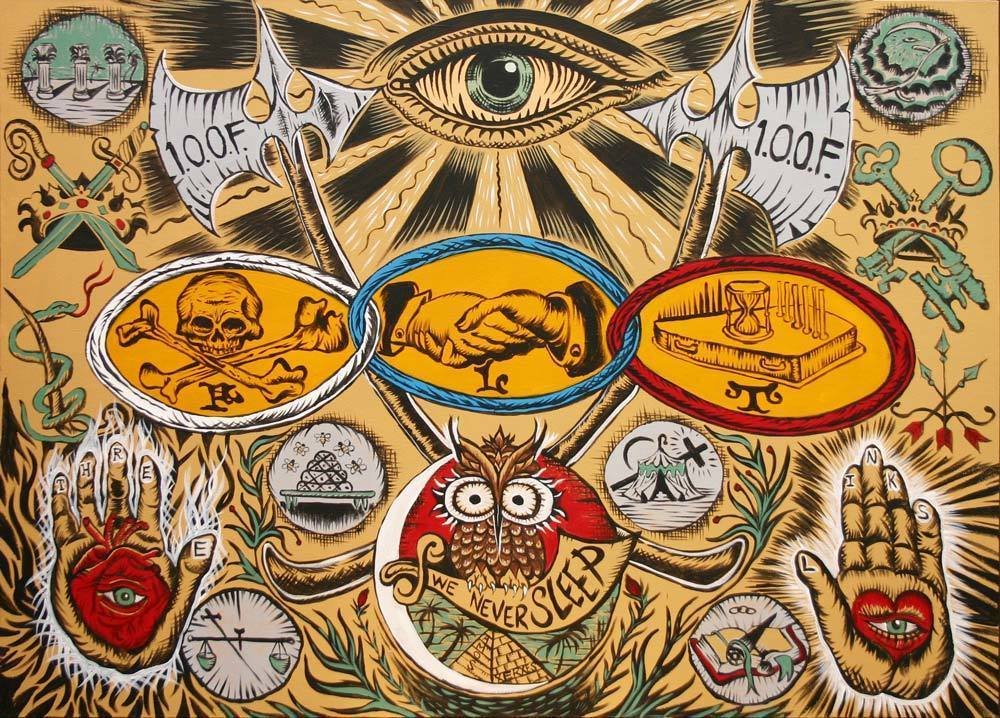
One of the biggest deterrents for those considering joining the Order is the visual impact of the skull and crossbones. In popular culture, this imagery evokes danger, piracy, or satanic rituals. Within Odd Fellowship, however, its purpose is purely mystical and philosophical: it serves as a reflection of Memento Mori (“remember that you will die”). It is not used to instill terror, but rather to strip away a person’s ego, vanity, and earthly riches. In the face of death, all human beings are equal. The skull represents the initial lesson: life is fleeting, and the time available to do good is limited.
On the other hand, those who join in search of magical formulas or esoteric treasures encounter a different reality. The “secret” of Odd Fellowship is not a spell; it is a lived mystical experience. Private rituals, passwords, and solemn greetings serve to shield the initiate from the noise of the outside world, creating a sacred space of absolute trust where members can be vulnerable and united as brothers.
A Journey Through the Branches of the Order and Its Mystical Symbolism https://link.amazon/B0dIl6pX1
The path within the IOOF is a ladder of spiritual advancement divided into different bodies, each with its own mysticism and heraldry:
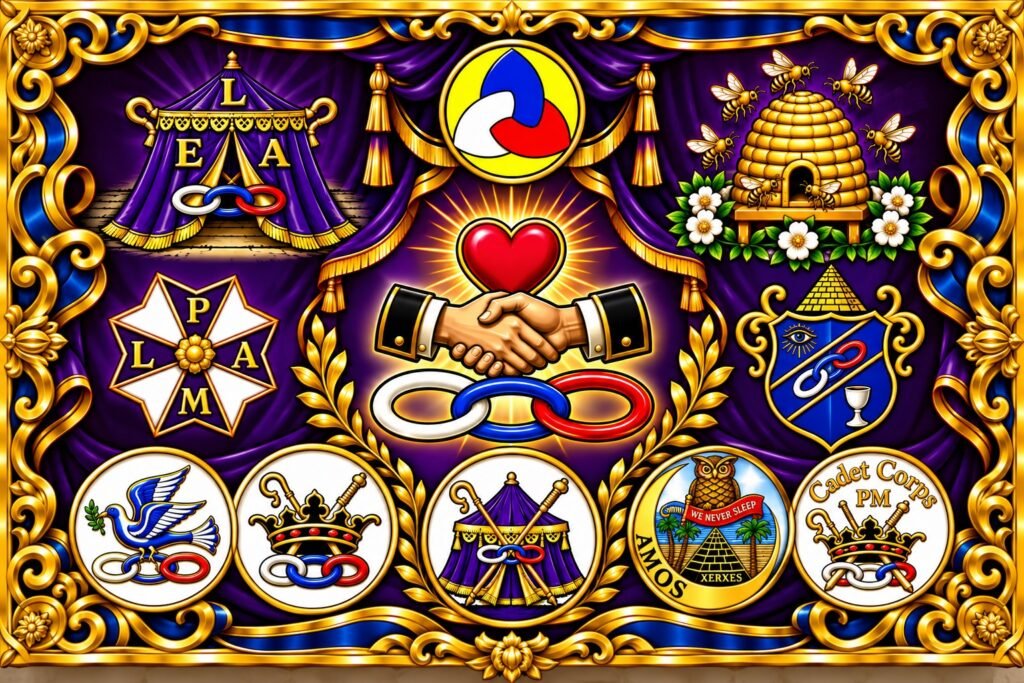
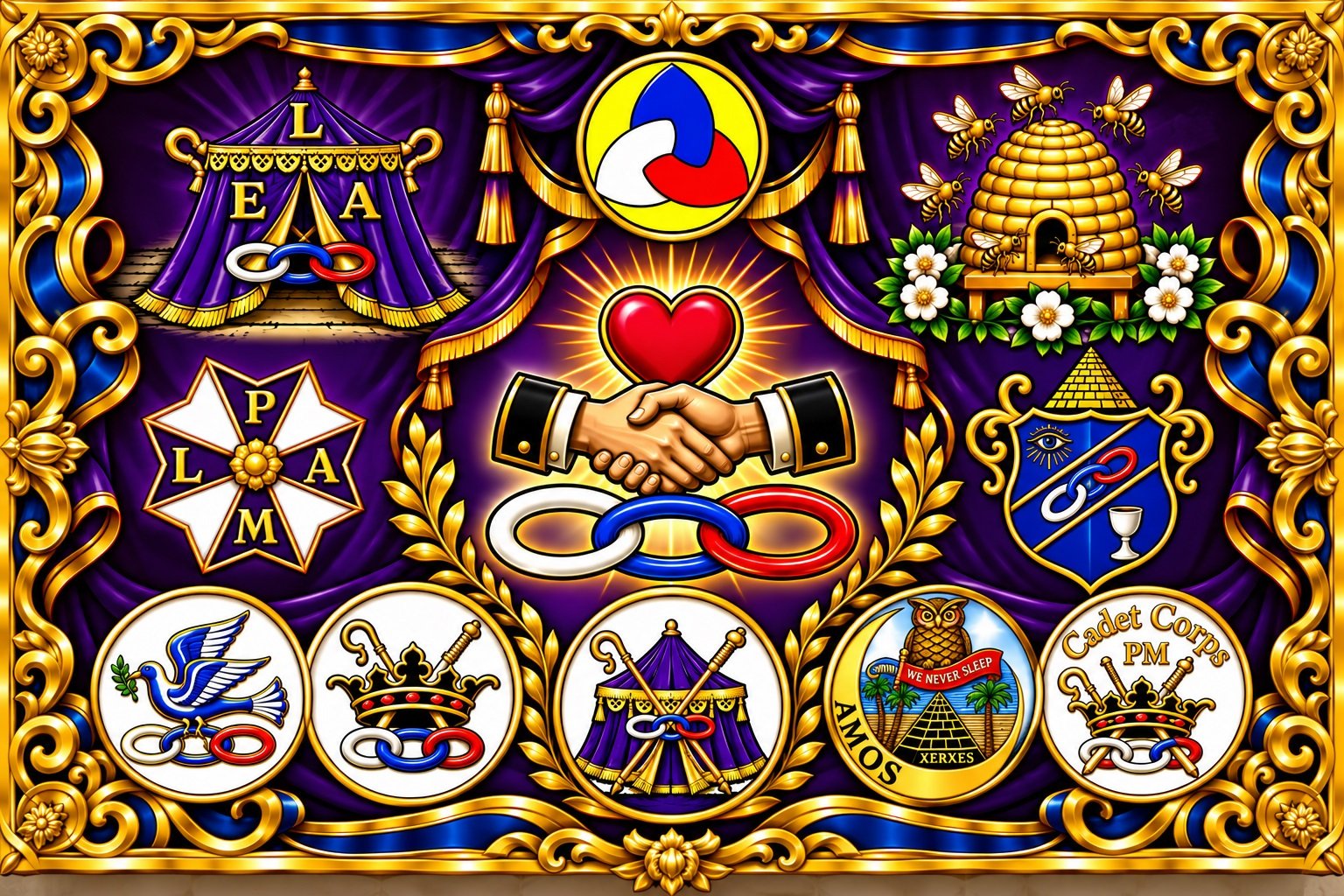
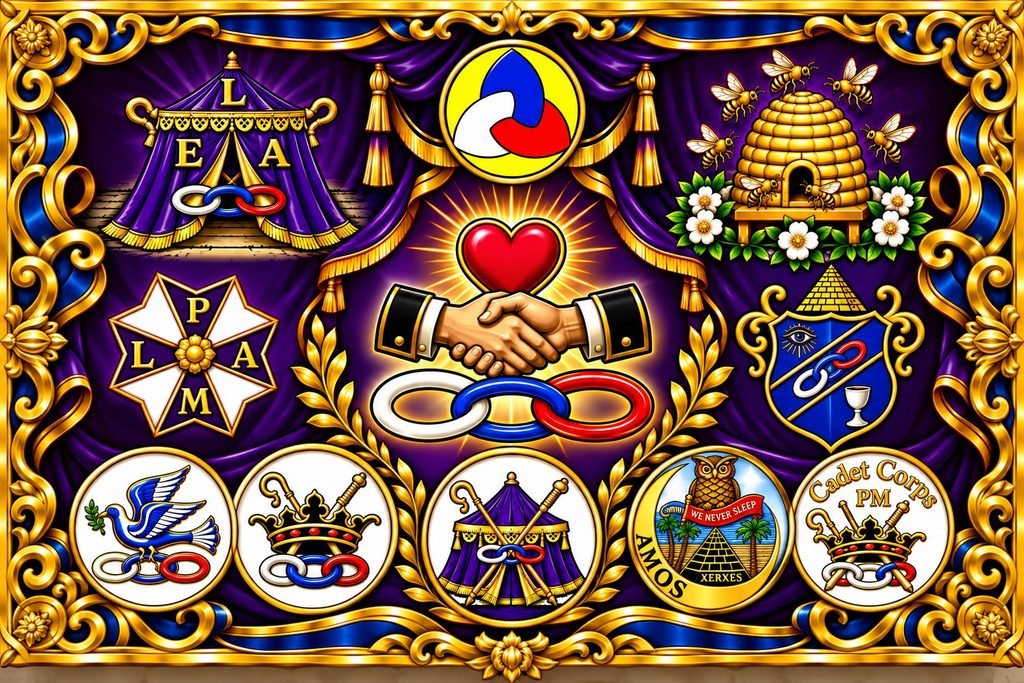
Rebekah Lodges (The Feminine Force): Founded in 1851, they represent the beauty of devotion and service. Their primary symbol is the beehive, embodying sacred labor, mystical cooperation, and the sweetness of charity; the dove, representing universal peace; and the lily, an emblem of purity of intention. Their mysticism lies in caring for the collective soul.
The Encampment and the Patriarchs (The Spiritual Quest): This branch represents pilgrims traversing the desert of life. Its symbols are the tent, the shepherd’s crook, and the altar of sacrifice. They evoke a mysticism of hospitality, unwavering faith, and the inner journey each individual must undertake to find their higher spiritual truth.
The Patriarchs Militant (The Chivalry of Light): This is the uniformed, chivalric arm of the Order. Its members wear solemn uniforms and carry swords. Their emblem—the Red Cross of Malta and the Lion—symbolizes mystical valor, the active defense of justice, and the constant spiritual struggle against the world’s ignorance and tyranny.
The Order of Samaritans (The Festive yet Profound Side): Known as the “fun” auxiliary branch, the Samaritans combine mysticism with joyful fellowship. Inspired by the Parable of the Good Samaritan, their mysticism teaches that the journey of life should be embraced with joy, yet without ever forgetting to extend a helping hand to the traveler fallen by the wayside. Youth Lodges (Guardians of the Future): Designed for the youngest members (such as Junior and Theta Rho lodges), their symbolism centers on the lighted torch—representing the light of knowledge dispelling the darkness of ignorance—and the hourglass, which teaches the sacred value of time from a young age.
Conclusion: The True Magic of the Links
Odd Fellowship does not practice the occultism often imagined in popular culture, yet it possesses an undeniable mystique. Its lodges are portals to an ancient way of life, where men and women cast aside the political and religious divisions of the outside world to unite under the Three Links: Friendship, Love, and Truth.
For those who overcome their fear of the skull and understand that the Order’s greatest secret is love for one’s neighbor, the symbols cease to be obscure; instead, they become beacons of light guiding the soul toward its noblest self.