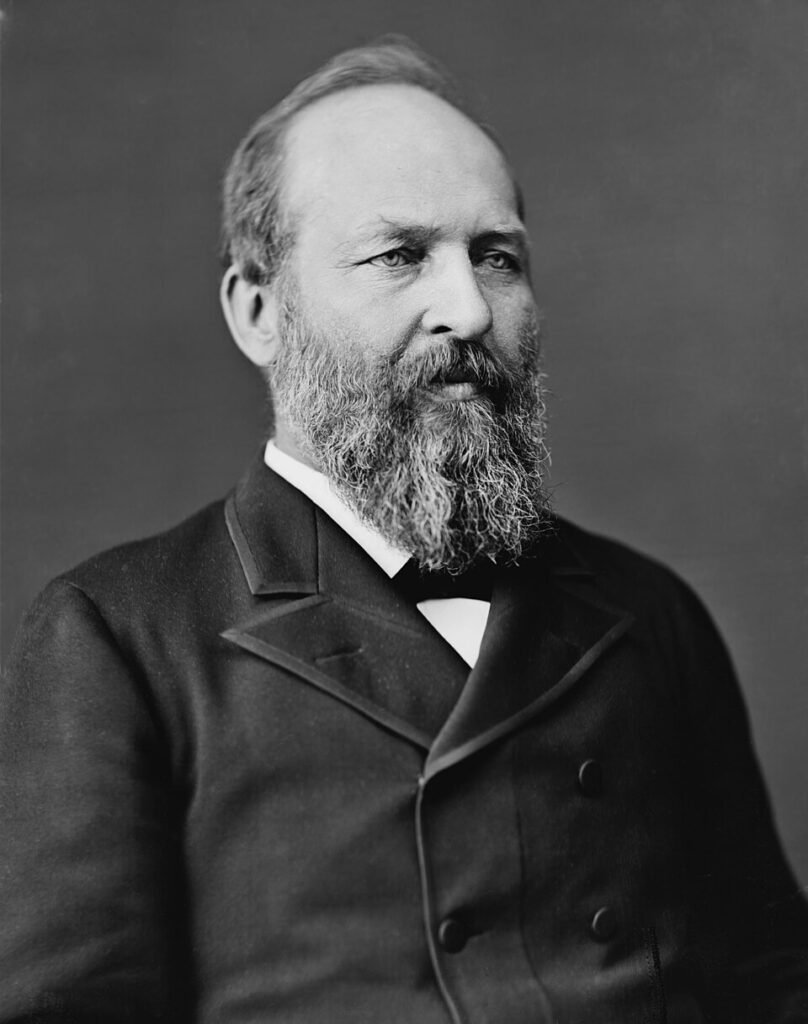


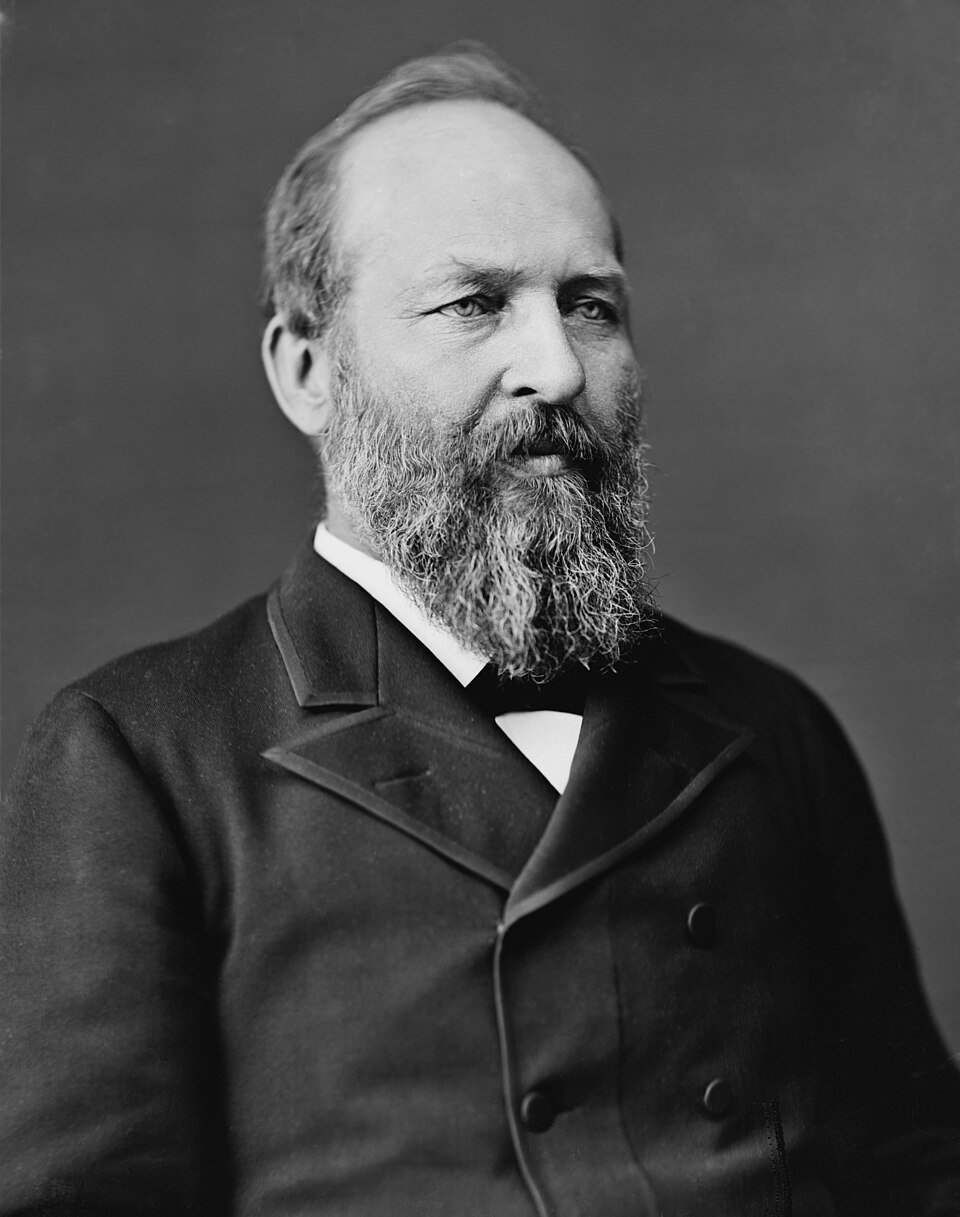
James A. Garfield, 20th President of the United States. Source: Wikipedia
While the names of Abraham Lincoln and John F. Kennedy immediately come to mind when discussing assassinated U.S. presidents, the story of the nation’s 20th president, James A. Garfield, has faded into the background. Yet, his death in 1881 was marked not only by an unusual motive but also by a series of medical blunders that proved just as fatal as the bullets fired by his assailant.
Charles J. Guiteau, su agresor.. Fuente: The Library of Congress
A Position in Exchange for a Gunshot
The central figure in this dark episode was Charles Julius Guiteau, an American lawyer and writer suffering from clear mental disturbances, who firmly believed he was the architect of Garfield’s electoral victory. As a “reward,” Guiteau demanded to be appointed consul in Paris.https://www.thebeardstruggle.com/discount/CHANGE-ME-eda6357?ref=y2exnjy
After being repeatedly ignored by the White House and Secretary of State James G. Blaine, Guiteau—in his delusional state—convinced himself that God had commanded him to eliminate the president in order to heal the internal divisions within the Republican Party and unify the country.
On July 2, 1881, at a railway station in Washington, D.C., Guiteau approached James A. Garfield from behind and shot him twice, shouting, “The president is dead!” Ironically, the president did not die on the spot.
Doctors: The Invisible Enemy
While the assassination attempt shocked the nation, the true humanitarian and medical tragedy unfolded in the weeks that followed. Garfield survived for 80 days of agony, but his death was not caused directly by the bullets; rather, it was the result of precarious and unsanitary medical care.
At a time when germ theory was only just beginning to gain traction, the physicians of the era refused to believe in the necessity of asepsis. None of the doctors who treated the president washed their hands or sterilized their instruments before examining him. Using unwashed hands and rudimentary probes, the physicians repeatedly probed Garfield’s body in search of the embedded bullet, introducing massive infections that led to sepsis and peritonitis.
Even the inventor Alexander Graham Bell himself came to the White House to design a primitive metal detector to locate the projectile; however, the device failed because the president’s mattress contained metal springs, which completely confounded the diagnostic process.
The Assassin’s Fate
James A. Garfield passed away on September 19, 1881, as a result of infections caused by his own doctors. As for Charles Guiteau, he was arrested immediately at the scene, tried in a highly publicized case marked by his eccentric behavior and constant disrespect toward the court, and ultimately sentenced to be hanged in January 1882.
It is an assassination largely forgotten by the general public, yet one that tragically illustrates how a personal delusion—compounded by the scientific ignorance of the era—succeeded in altering the course of United States history.
https://www.youtube.com/@Brotherhoodherald