
Dark pacts or pure philosophy? The truth behind the skulls, links, and roses that pop culture has misunderstood.
For centuries, fraternal institutions have lived under a cloud of suspicion. To the average person, the mere mention of the Freemasons, the Odd Fellows, or the Rosicrucians immediately conjures up images of nocturnal conspiracies, dark robes, and—all too often—accusations of Satanism. At the heart of this misunderstanding lies a matter of iconography: the presence of skulls and crossbones within their meeting places and ceremonies.
Are these diabolical cults hiding in plain sight, or are we witnessing a massive cultural misinterpretation? To uncover the truth, we must strip these symbols of their cinematic sensationalism and examine them through the lens of history and philosophy.https://www.thebeardstruggle.com/discount/CHANGE-ME-eda6357?ref=y2exnjy
The “Hollywood Effect” in History: Why the Most Feared Symbol of Secretive Fraternities Is Actually a Life Lesson
Before passing judgment on their emblems, it is vital to understand the nature of these three major secretive societies:
Freemasonry: This is the oldest and best-known secular fraternity. Originating from the guilds of medieval cathedral builders, it evolved during the 18th century into a philosophical organization. It employs the tools of architecture—the square, the compass, and the plumb line—in a moral sense: the goal is for each member to “construct” a better individual character, thereby making a positive impact on society.
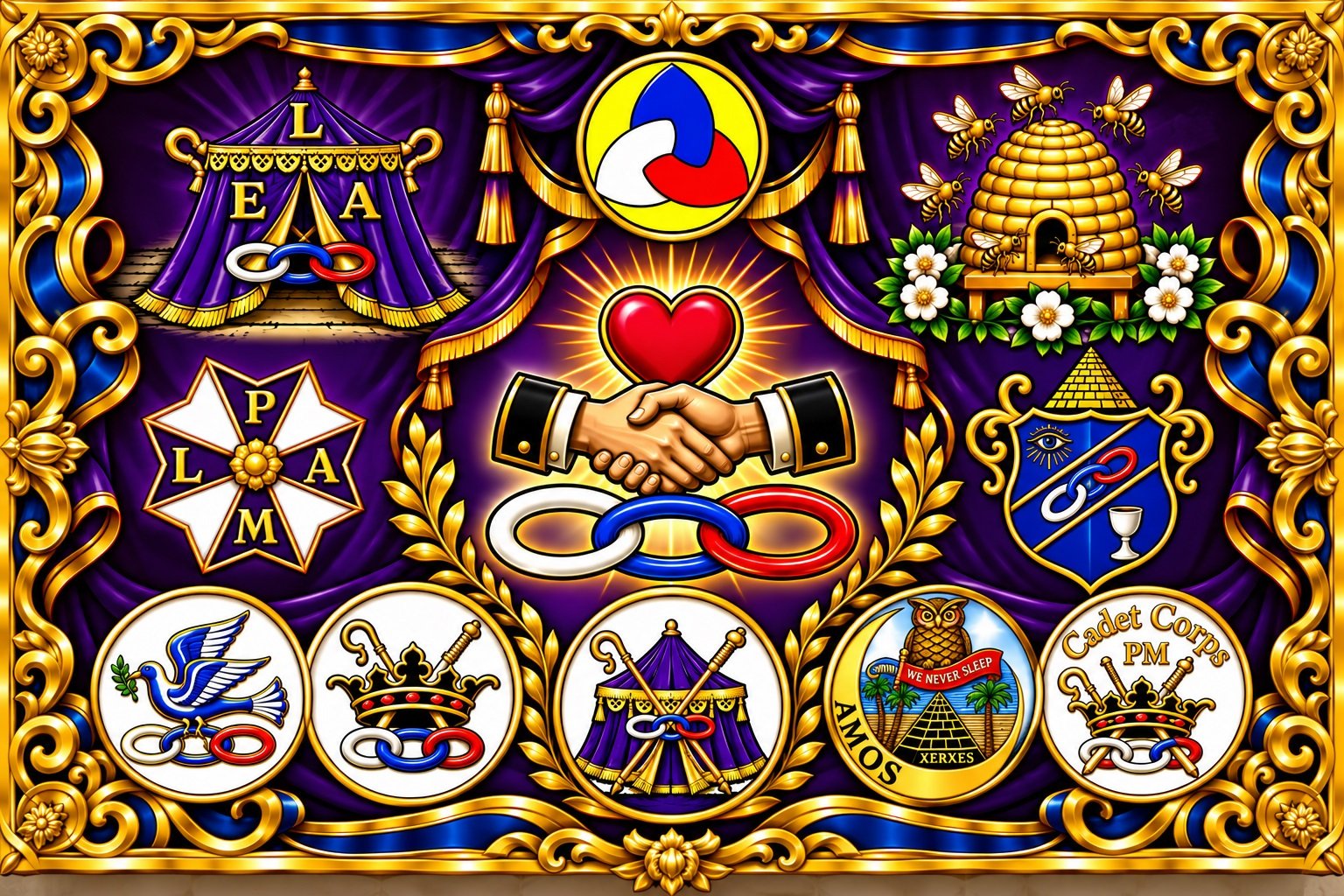
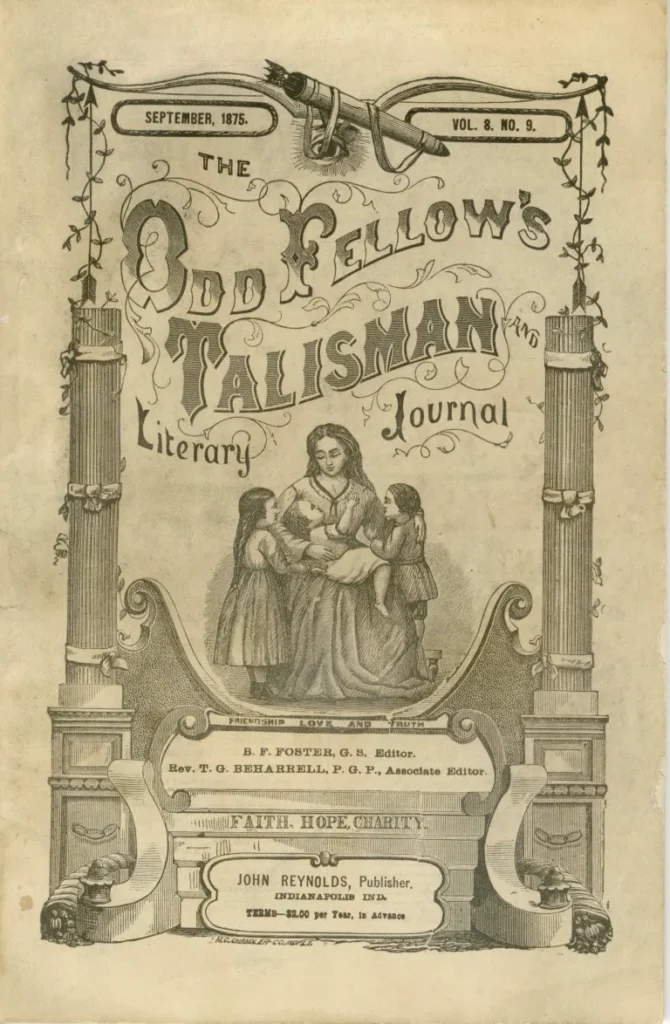
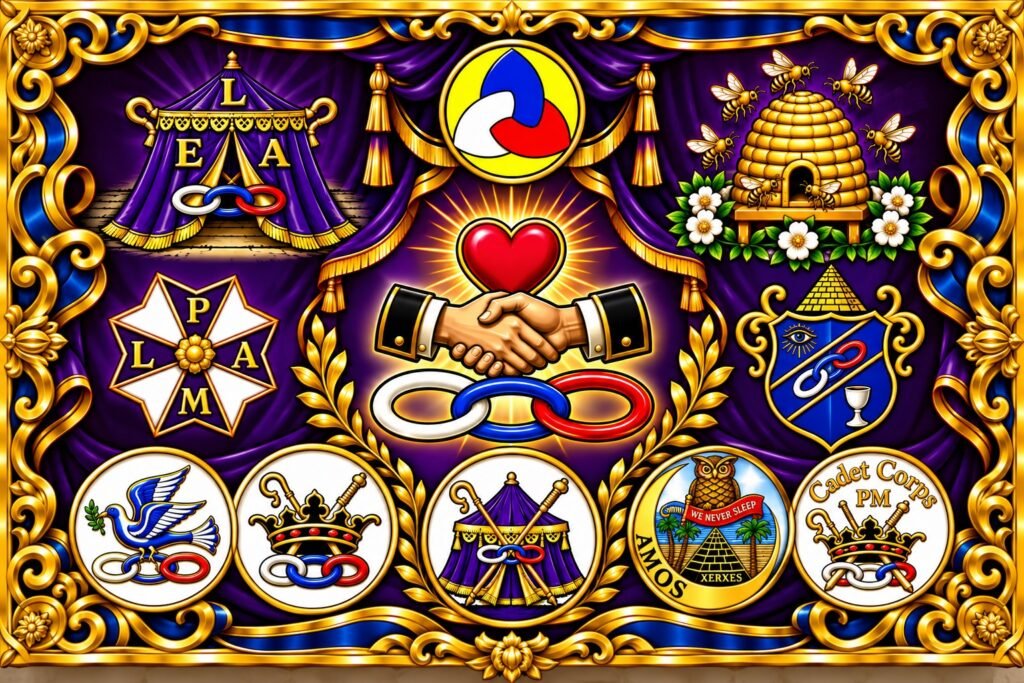
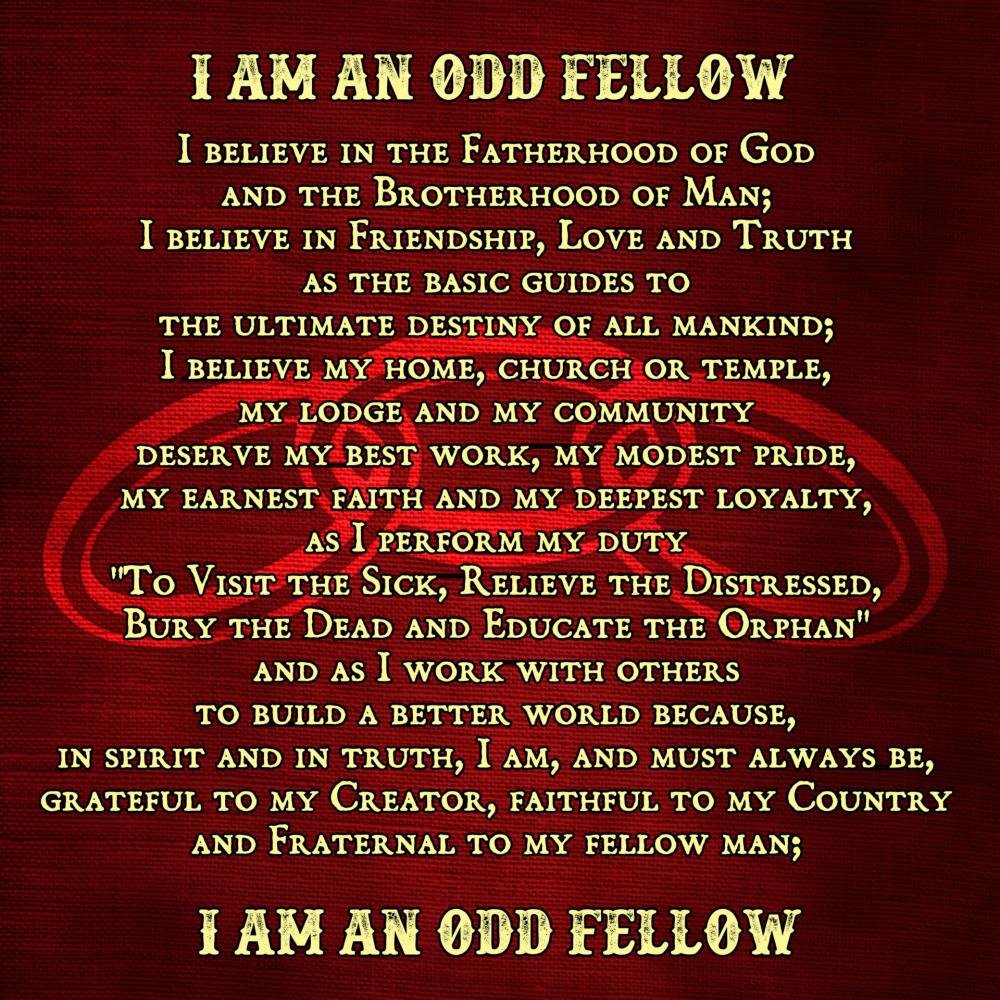
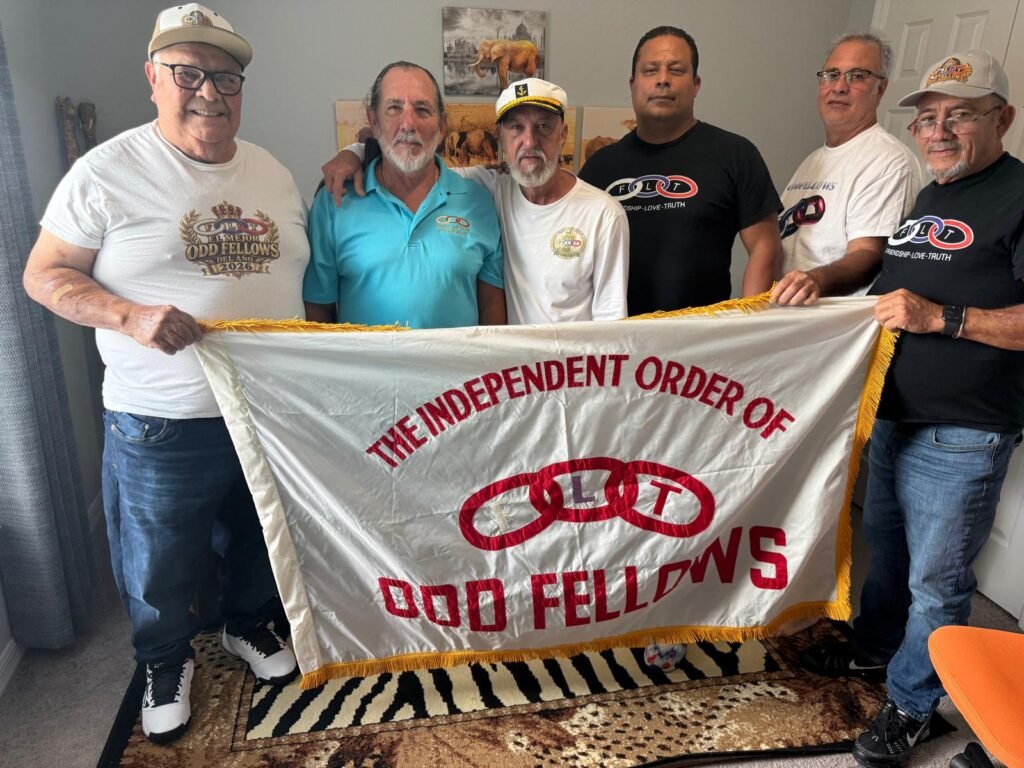
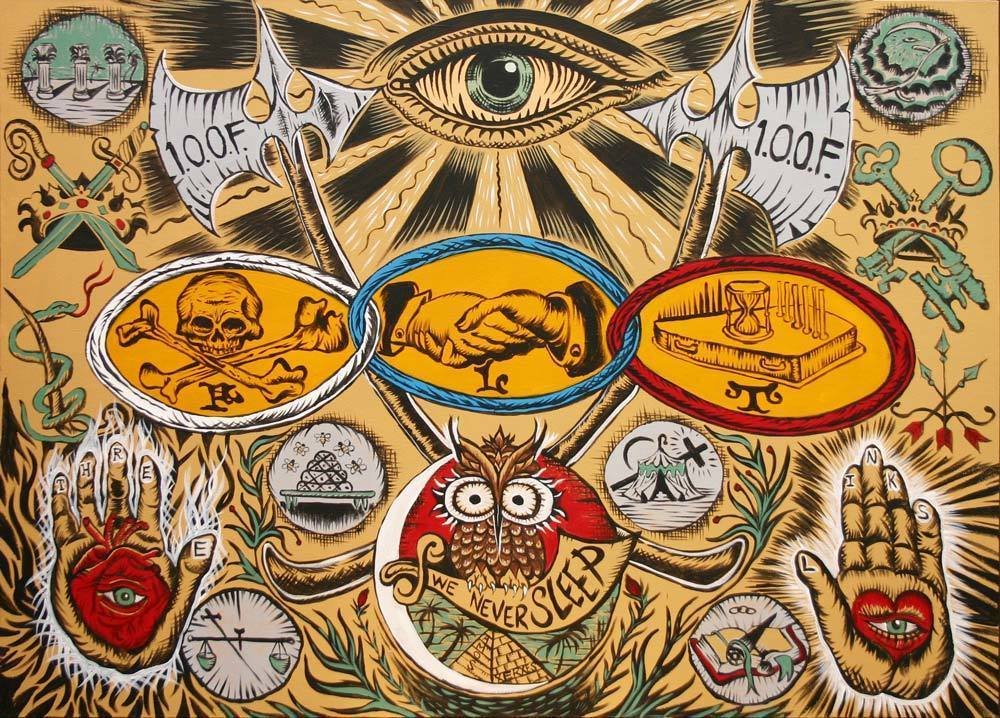
The Odd Fellows (The Independent Order of Odd Fellows): Formally established in England in the 18th century, this group was founded with a purely humanitarian focus. Its name—”Odd Fellows”—stemmed from the fact that, at the time, it was considered highly unusual for ordinary citizens to organize, on a non-profit basis, to assist the destitute, bury the dead, and protect orphans. Their primary symbol consists of three chain links, representing Friendship, Love, and Truth.
The Rosicrucians: This is a mystical and esoteric tradition that emerged from manifestos published in the early 17th century. Unlike the Freemasons—who focus on social ethics—the Rosicrucians concentrate on “spiritual alchemy,” the study of the laws of nature, and the awakening of human potential. Their quintessential symbol is a cross with a red rose at its center, representing the human soul blossoming within the material plane.
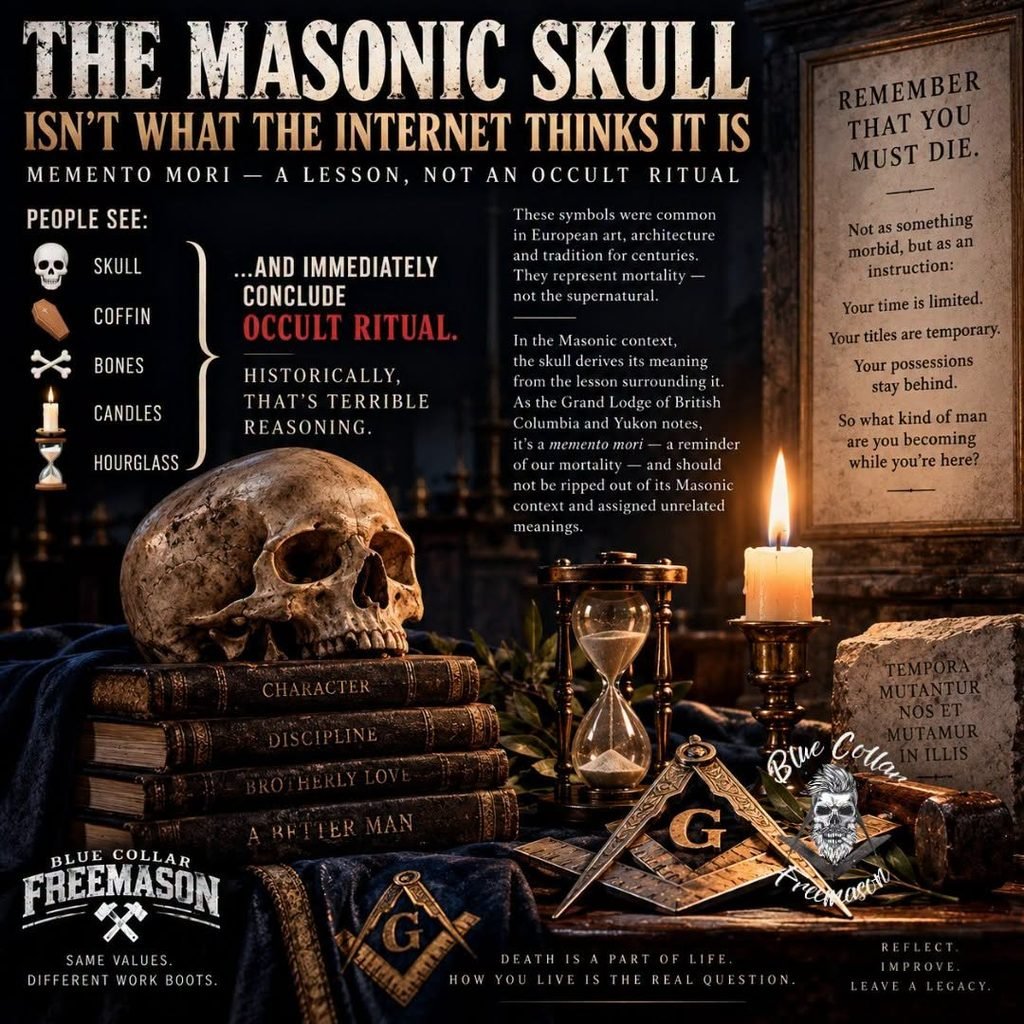
The Myth of the Skull: It Is Not Occultism; It Is “Memento Mori”
For the uninitiated, perhaps the most striking visual encounter is discovering that all three of these orders incorporate the skull and crossbones into their initiation rites. In today’s pop culture, this symbol is strictly associated with danger, piracy, or Satanism. However, its true origin is deeply rooted in philosophy—and, paradoxically, in medieval Christianity. https://www.thebeardstruggle.com/discount/CHANGE-ME-eda6357?ref=y2exnjy
┌────────────────────────────────THE SYMBOLISM OF THE SKULL
││What the myth says:
├───────────────────────────┬────
││What it really means:│Worship of the demon
├───────────────────────────────
│ •│ •Reminder of timeBlood pacts
│ •│ •Humility before deathWitchcraft rituals
│ •│ •Equality of men│
└───────────────────────────┴───
- In Freemasonry: The skull is placed in the “Chamber of Reflection”—a dark room where an aspirant meditates before being admitted. Its purpose is not to frighten, but to serve as a reminder that earthly time is limited. The message is direct: “If your physical life is destined to end, what are you doing today to be a useful and virtuous person?”
- Among the Odd Fellows: This order uses a skeleton or skull in its initiation rituals to emphasize the absolute equality of all human beings in the face of death. In the eyes of the Creator and in the ultimate destiny, noble titles, wealth, and social class hold no significance; we all end up reduced to the same state. It awakens in the initiate a sense of urgency to practice charity.
- Among the Rosicrucians: The skull—often accompanied by an hourglass or a dying candle—represents the transience of physical matter, contrasted with the immortality of the spirit. It signifies detachment from the material ego, making way for spiritual rebirth.
- Where does the confusion with Satanism arise?
- If the meaning is so ethical and constructive, why do people insist on linking these groups to the devil? There are three main reasons:
- Symbolic illiteracy: We live in an era of rapid visual consumption. Upon seeing a skull, the brain defaults to a preconceived notion rather than investigating the symbol’s historical and artistic context (it was, in fact, used extensively in art, churches, and Catholic tombs throughout the Middle Ages).
- The veil of discretion: Because these organizations protect their rituals through oaths of confidentiality, the lack of official information is filled by the popular imagination. People tend to fear—or demonize—what they do not understand. Historical Smear Campaigns: The 19th century saw some notorious hoaxes, such as the Léo Taxil affair in France. Taxil, a writer, concocted elaborate, false tales about Freemasons worshipping the demon Baphomet—all to mock the credulity of both the Church and the general public. Although he later publicly confessed that the entire story was a fabrication, the myths he sowed persist to this day on the internet.
- A Note for the Digital-Age Reader
- When writing about these institutions, journalism has a duty to educate. The skulls used by Freemasons, the chain links of the Odd Fellows, or the roses of the Rosicrucians are not intended to summon dark forces. On the contrary, they serve as visual tools—part of an ancient pedagogy—designed to shake humanity out of its apathy, remind us that our time in this world is fleeting, and compel us to live with a noble purpose.
https://www.youtube.com/@Brotherhoodherald
https://www.thebeardstruggle.com/discount/CHANGE-ME-eda6357?ref=y2exnjy