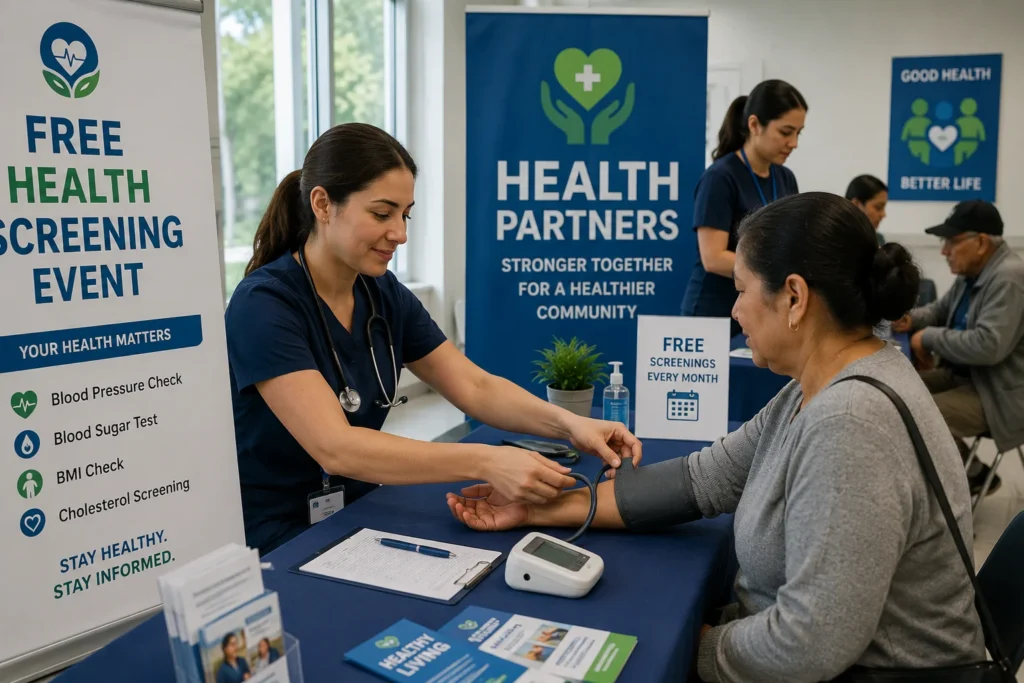



Preventive care is one of the most effective ways to maintain good health and reduce the risk of serious illnesses. Rather than waiting until health problems arise, preventive care focuses on building healthy habits, identifying potential concerns early, and making informed lifestyle choices. Small, consistent actions can have a significant impact on your long-term well-being.
Here are five practical tips that can help you take a proactive approach to your health.
1. Schedule Regular Health Checkups
Routine medical checkups provide an opportunity to monitor your overall health and identify potential issues before they become more serious. Regular visits to your healthcare provider can include blood pressure monitoring, cholesterol testing, routine screenings, and discussions about your personal health goals.
Early detection often leads to more effective treatment and better long-term outcomes, making routine checkups an important part of preventive care.
2. Stay Physically Active
Regular physical activity supports heart health, strengthens muscles and bones, improves flexibility, and contributes to better mental well-being. You don’t need an intense fitness routine to experience the benefits.
Simple activities such as walking, cycling, swimming, gardening, or participating in recreational sports can help improve overall health. Aim to include movement in your daily routine and choose activities you enjoy to make exercise a lasting habit.
3. Maintain a Balanced Diet
Nutrition plays a vital role in preventing many chronic health conditions. Eating a balanced diet that includes fruits, vegetables, whole grains, lean proteins, and healthy fats provides the nutrients your body needs to function properly.
Limiting highly processed foods, sugary beverages, and excessive sodium can also support long-term health. Staying hydrated throughout the day is equally important for maintaining energy levels and overall wellness.
4. Prioritize Sleep and Stress Management
Quality sleep and effective stress management are often overlooked but are essential components of preventive care. Adults should aim for consistent, restful sleep each night to support physical recovery, mental focus, and immune function.
Managing stress through relaxation techniques, mindfulness, hobbies, exercise, or spending time with family and friends can improve emotional well-being and contribute to better overall health.
5. Stay Up to Date with Recommended Screenings and Vaccinations
Preventive screenings and recommended vaccinations help protect both individuals and communities. Depending on your age, family history, and personal health needs, healthcare professionals may recommend screenings for blood pressure, cholesterol, diabetes, vision, hearing, and other conditions.
Following recommended vaccination schedules and preventive health guidance can reduce the risk of certain diseases and support lifelong wellness.
Building Healthy Habits for the Futurehttps://amzn.to/4wHwYYh
Preventive care is not about making dramatic lifestyle changes overnight. It is about developing consistent habits that support physical and mental well-being over time. Small improvements made today can contribute to better health in the years ahead.
By staying active, eating nutritious foods, managing stress, getting regular checkups, and following preventive healthcare recommendations, individuals can take meaningful steps toward living healthier and more fulfilling lives.
Making preventive care a priority is an investment in your future. Healthy choices today can help reduce health risks, improve quality of life, and support long-term wellness for you and your family.
As an Amazon Associate, Brotherhood Herald earns revenue from qualifying purchases.