

Por: Redacción
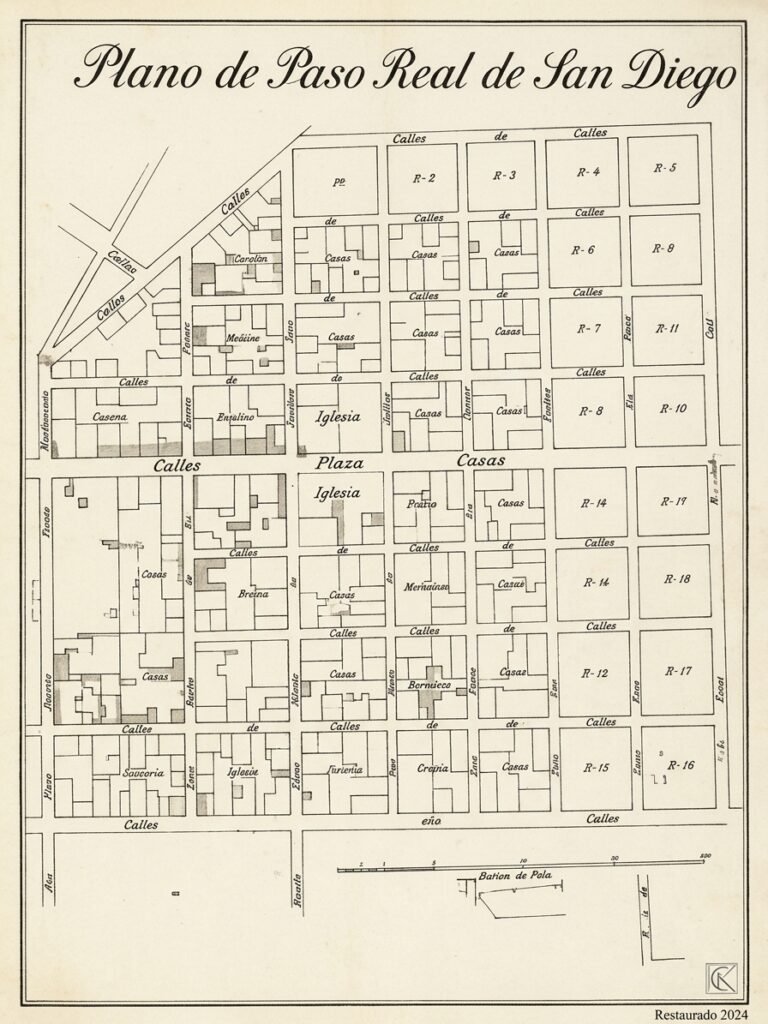
For over a century, traditional historiography maintained that the prosperous settlement of Paso Real de San Diego—located in the province of Pinar del Río, on the site now occupied by the hamlet of Paso Quemado—disappeared during the War of 1895, consumed by a fierce fire ignited during the famous battle of February 1, 1896. However, meticulous research by historian Jesús Marcos García Vázquez reveals that the fire occurred nearly a month later and for an entirely different reason.
A strategic and prosperous enclave in Vuelta Abajo
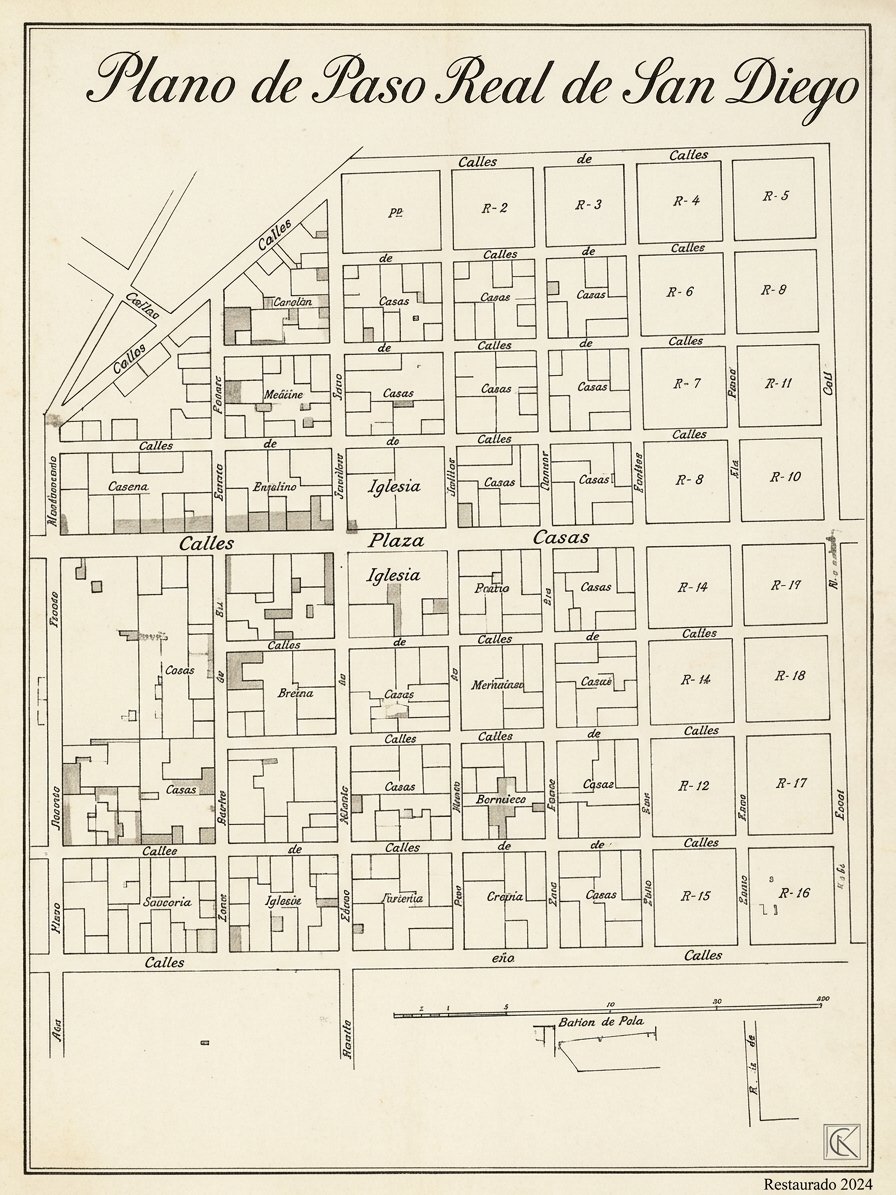
Founded around 1820, Paso Real de San Diego was situated approximately 6 kilometers west of Los Palacios, 12 kilometers south of San Diego, 30 kilometers north of the Dayaniguas inlet, and about 60 kilometers east of Pinar del Río.
Its position as an intermediate point between Dayaniguas, the thermal baths of San Diego, and the Camino Real (Royal Road) connecting Havana to the Vuelta Abajo region made it an essential stop for thousands of vacationers—who arrived via the Batabanó-Dayaniguas maritime route—as well as travelers moving between the capital and western Cuba.
Driven by this intense flow of commerce and people, by the mid-19th century the settlement boasted a significant economic infrastructure:
Businesses and services: It featured 10 general stores, 4 bakeries, 2 inns/eateries, a billiard hall, a café, a pharmacy, a small grocery store, and a tavern.
Culture and trades: It possessed its own silversmith shop and a theater.
Transport: The settlement offered various types of horse-drawn carriages—such as volantas and quitrines—as well as carts and wagons for transporting travelers and goods. Twenty-seven white individuals were engaged in this activity, which was supported by specialized workshops for the manufacture and repair of carriages, along with transport companies that operated routes to Dayaniguas. The Historical Myth and the Evidence of February 1, 1896
Over the years, an inaccurate account regarding its destruction has been repeated. In his book Historia de Cuba, historian Ricardo V. Rouset went so far as to claim: “On January 29, 1896, Colonel Roberto Bermúdez destroyed and set fire to the town of Paso Real de San Diego, and its buildings were never rebuilt.”
However, military chronicles contradict this date. At 11:00 a.m. on February 1, 1896—two days after the date cited by Rouset—forces from the Contingente Invasor (Invasion Contingent), led by Lieutenant General Antonio Maceo, entered the town and found it intact. They were in pursuit of Spanish troops under General García Navarro, who had already begun a retreat toward Havana.
The “Bronze Titan” (Antonio Maceo) ordered his men to camp and rest. Spanish merchants Lorenzo and Vicente Suárez—owners of the Las Yaguas establishment, which supplied provisions to the forces of Colonel Julián Castillo (“Payaso”) and Brigadier Roberto Bermúdez—invited the mambí leader to lunch. Just as the Cuban troops were preparing to depart, the rearguard, organized by Major General José Miró Argenter, encountered a Spanish column led by General Agustín Luque, sparking a fierce battle.
Neither Miró Argenter in his compendium Crónicas de la Guerra, nor General Luque in Mis Recuerdos de la Guerra en Cuba, nor the Spanish journalist or the Miami Herald correspondent who covered the battle, ever mentioned any fire occurring before or during the engagement. The True Origin of the Fire: A Thwarted Execution
The documented account of these events comes from testimony collected in 1993 by historical researchers Luis Martínez Zamora and Omar Rubio Álvarez. They interviewed historian César García del Pino—a descendant of the del Pino family from the former settlement—who recounted the experiences of his uncle, Adolfo del Pino y Ponce de León, and his mother, Esperanza del Pino:
The Theft: A bandit named Pozo was prowling the area and stole a trunk, along with other belongings that local residents had hidden in anticipation of the approaching war. Upon being spotted by a group of youths who raised the alarm, the man fled.
Capture and Sentencing: General Roberto Bermúdez, who had been tracking Pozo, managed to apprehend him and ordered that he be hanged immediately, without the benefit of a trial.
Opposition from the Residents and Retaliation: Once the thief was in custody, several families in the settlement opposed the summary execution. Notably, a French silversmith named Javiqué and his wife intervened, playing a decisive role in preventing the hanging. Angered by this resistance from the residents, Bermúdez ordered that the settlement be set on fire between February 27 and 28, 1896.
Thus ended the history of that once-flourishing commercial hub in the Pinar del Río region—a tragic conclusion forever preserved in the local toponymy as “Paso Quemado” (Burnt Pass).