

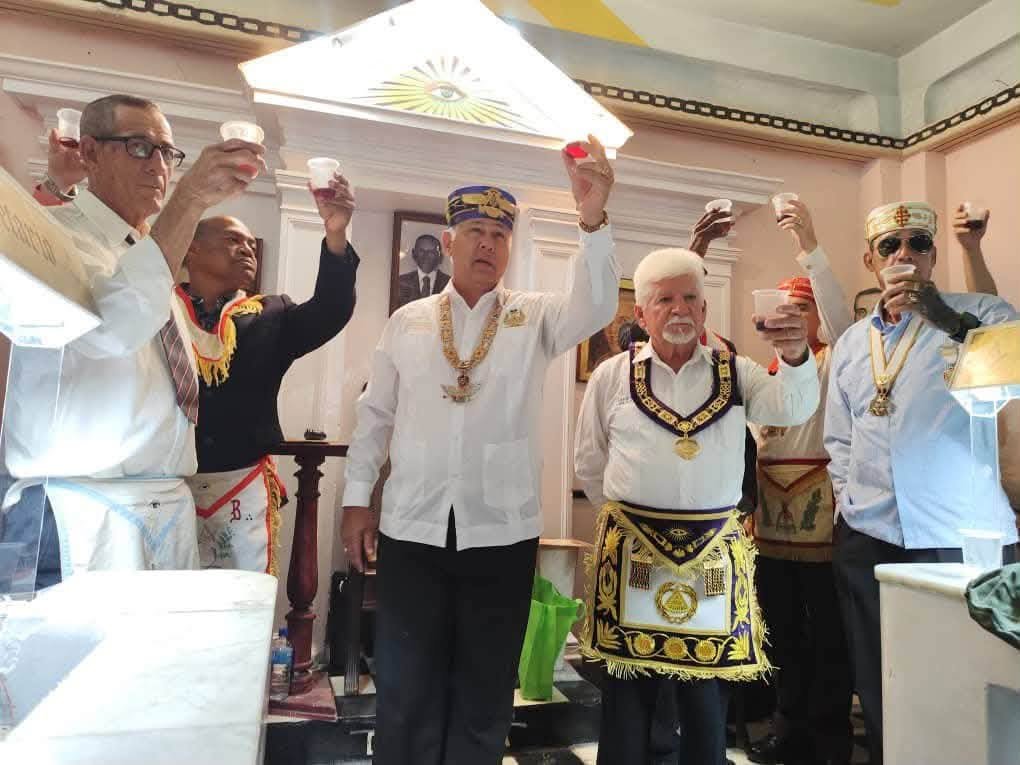
The Cuban government’s offensive against the nation’s Freemasonry has crossed a dangerous line, colliding head-on with a centuries-old institution that refuses to be tamed. What began as an administrative siege from ministerial offices and escalated into a judicial persecution fabricated by State Security has now turned into a province-by-province intimidation tour. However, the official apparatus seems to have forgotten an elementary truth: the Masonic fraternity does not answer to the orders of any political party, but rather to its own conscience and its statutes.
There is a vast difference between institutional calm and the bureaucratic cynicism of those who toy with the rights of others from behind a desk. The Ministry of Justice (MINJUS) watches with comfortable passivity the paralysis it has itself provoked within the Supreme Council of the 33rd Degree. Following the legitimate elections held on September 26—in which writer Ángel Lázaro Santiesteban Prats was elected as the new Sovereign Grand Commander—all documentation was submitted on time and in proper form on the 30th, strictly complying with the law. Nevertheless, the state’s response has been a calculated, silent, and malicious administrative blockade.
What is behind this suspicious calm from MINJUS? A deliberate strategy to freeze bank accounts, suffocate the Order’s daily operations, and await the outcome of rigged judicial proceedings against figures such as Santiesteban Prats himself and his predecessor, José Ramón Viñas Alonso. The objective is transparent: to wear down the membership, break the institution’s autonomy through exhaustion, and use registry control as a political cudgel. It is outrageous to witness how legality is only invoked to harass those who defend their principles, while the state apparatus engages in a flagrant and complicit breach of its own rules.
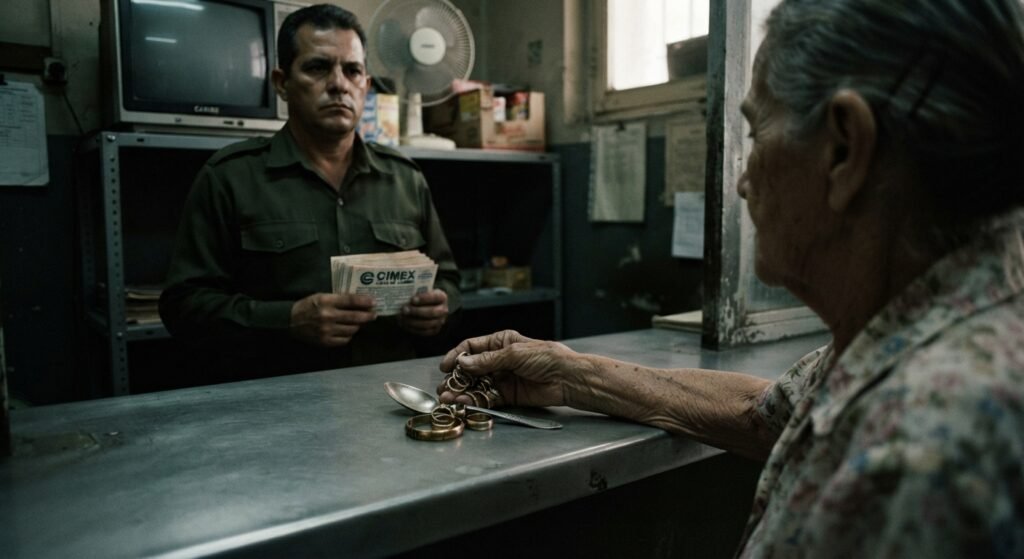
The backdrop to the sentences handed down this month against four members of the Order—under the pretext of alleged illegal currency trafficking involving barely $300 intended to buy milk and medicine for the elderly at the National Masonic Nursing Home—fools no one. When the political police build a case over an alleged minor economic offense and the courts restrict public access to the courtrooms, it becomes clear that the true “crime” on trial is independence of thought.
Having failed in its attempt to impose compliant leaders and fracture the Order’s leadership in Havana, those in power have deployed officials such as Caridad Diego, head of the Communist Party’s Office of Attention to Religious Affairs, and Miriam García, director of Associations at MINJUS, to pressure provincial lodges through summonses at party headquarters.
The recent session in Pinar del Río stands as a historic lesson in civility and firmness. Far from being intimidated, the Masons of Pinar del Río exposed the official maneuver. Demanding that a fraternal institution validate blatantly political trials, or attempting to subordinate it to the defense of a state ideological project, not only violates its autonomy, but also represents a direct insult to the intelligence and the very history of the Republic.
Cuban Freemasonry, forger of the nation’s ethical foundations since the wars of independence, is undergoing a trial by fire today. Every summons to a Party headquarters—as is happening now in Artemisa and across the rest of the country—and every administrative silence only serves to unite the brothers around their legitimate leaders. Truth and dignity cannot be blocked with official stamps or back-office maneuvers. The response echoing from the west to the east of the island is unmistakable: Freemasonry is one, its sovereignty is non-negotiable, and its men will not surrender to fear.