
We have all experienced situations where people join the lodge only to leave after their initiation and never return. I have gathered suggestions from various sources to help keep these members engaged, ensuring they continue to attend lodge meetings and events and become valuable, regular members.
Member retention occurs in three stages: before joining, during onboarding, and after onboarding. Before someone joins a lodge, it is important to set expectations during the interview. A good interview committee will ask questions about the candidate’s intentions regarding joining and participation. We have all met people who show up out of curiosity and decide to join without knowing what to expect. The interview committee should ask the candidate how often they plan to attend and whether they can commit to attending at least semi-regularly. No one can attend every lodge meeting, but attending half or more is a reasonable expectation. Candidates need to know that joining a lodge is a serious commitment involving participation in all its activities..

In many lodges, a member of the candidate’s interview committee is responsible for introducing them to the other members at meetings following their admission. This mentoring program for new members helps them build social bonds that foster a sense of belonging and motivate continued participation. Indeed, it is often these social ties that keep members committed to the lodge. Few people participate solely for the sake of parliamentary procedure or voting on bill payments. Members are far more likely to return if they feel a social connection with the lodge’s existing members. Assigning an existing member to show the new member around the facilities and make introductions helps kickstart the process of building those bonds.
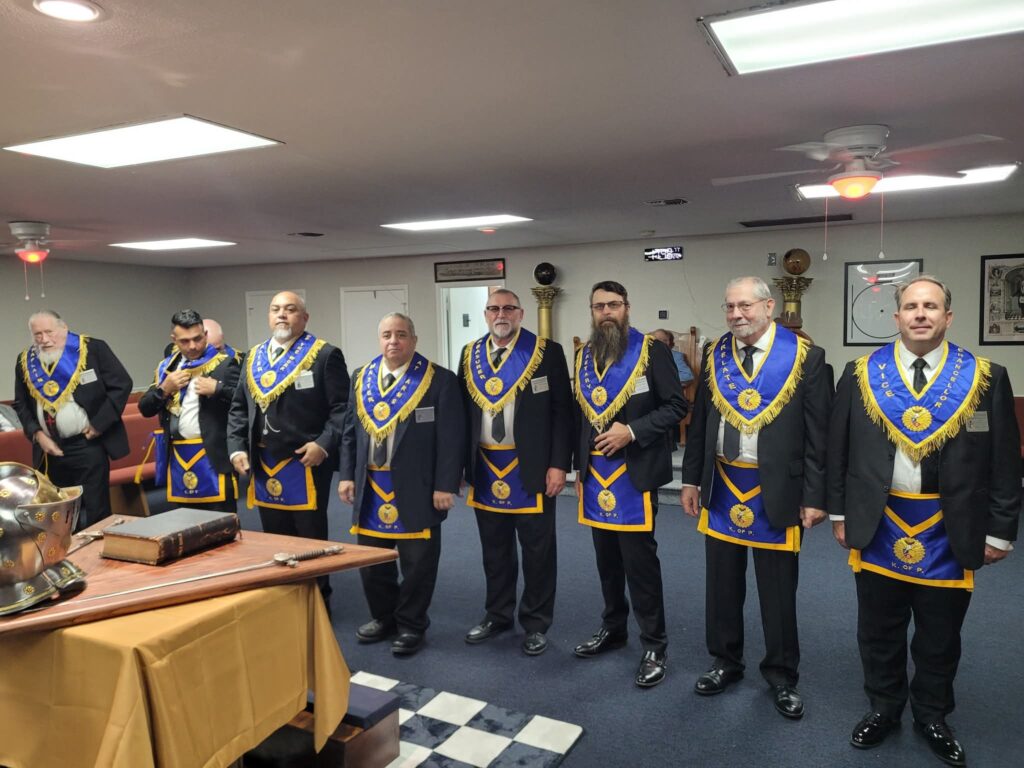
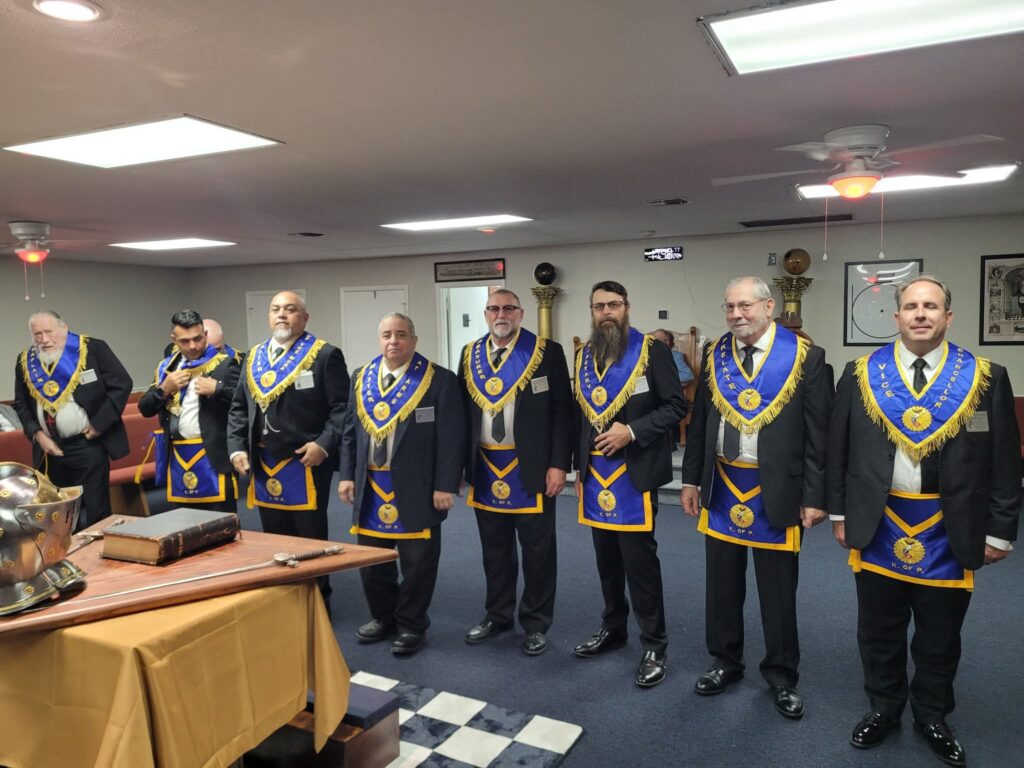
A candidate’s first impression regarding the seriousness of lodge membership is shaped by how the lodge conducts the admission ceremony. If the lodge performs a well-executed, meaningful initiation, the candidate will be impressed by the importance the lodge places on its ritual work and will come away with the sense that joining the lodge is a serious commitment. If the candidate sees members working hard, putting in effort, and taking the Degree work seriously, they will correctly infer that the lodge is a special, important place—one where they should feel fortunate to be accepted and where they, too, will be expected to put in similar effort. Poorly executed, sloppy Degree work signals to the candidate that the lodge members do not care much about what they are doing, implying that the candidate need not take it seriously either. Upon joining, candidates should feel that the Initiatory Degree (or Rebekah Degree) is a gift bestowed by the lodge to welcome them, not a mere afterthought. Providing new members with materials about the lodge upon their entry is an excellent way to demonstrate the level of commitment the lodge has toward them—and the commitment they, in turn, should have. Items that can be given to new members upon joining include their own book of charges, a copy of the lodge bylaws, and a “quick-start” guide to lodge participation; this guide should explain the basics of parliamentary procedure and outline the matters in which they can participate (such as Sickness and Distress, New Business, and Good of the Order). Some lodges purchase copies of the Odd Fellows Manual to give to new members, helping to familiarize them with the organization as a whole. Others prepare a lodge event calendar and/or a directory containing members’ contact information.
Once members have joined the lodge, opportunities remain to keep them engaged and to encourage the return of those who have not been attending. Communication with members has always been a vital part of lodge life. Before the Internet, many lodges mailed newsletters to keep members informed about regular events. While that option still exists, most lodges now opt for electronic communication. One such option is an email list sent to members periodically, serving either as a general update or as a reminder to attend lodge meetings. Email lists can be managed manually or automatically. I prefer using an automated email list; a free version supporting up to one hundred recipients can be set up on Groups.io. Another option for sending group reminders is to set up a shared calendar with automated alerts (Google is a popular choice for this).
A slightly more advanced option is to create a Facebook page or group for the lodge, featuring regular posts and reminders scheduled within the group’s calendar. The Facebook option has the added advantage of serving as the lodge’s social media presence, which can help attract new members. The lodge can share information about social events and other activities with members and the wider community. Another, more advanced way to communicate with members is to set up a dedicated chat server. Discord is the most common platform used within the Order of Odd Fellows. There is a Discord server for all Odd Fellows (www.brotherhoodherald.com) as well as various Discord servers for individual lodges. All these options facilitate communication with members who do not always attend meetings and can be an effective way to keep them informed and let them know they are missed.
Sometimes, a traditional approach works well for member retention. If a member has not attended a meeting for a couple of months, it can be helpful for the secretary to send them a card by mail to let them know they are missed and appreciated, and to remind them of the upcoming lodge meeting. Reaching out via a card shows the member that the lodge values their membership beyond just the dues they pay. It is also a nice gesture in an era when personal communication usually takes place online. Sending birthday cards to members is another gesture that can keep them engaged and encourage them to return to the lodge.
Special events can be an excellent way to bring members who haven’t attended regularly back into the fold. Lodges can organize game nights, movie nights, sports-viewing gatherings, wine tastings, painting workshops, cigar nights, bingo, cribbage nights, and any other activity that brings members together outside of business meetings. It is easy to spark someone’s interest in getting more involved if they attend a social event and learn about some of the interesting projects the lodge has planned. Another great tool for encouraging participation is a Degree Day. Conferring degrees can be a lot of fun, especially when it doesn’t involve the usual lodge business. Degree Days offer members a chance to participate and contribute in ways that go beyond simply attending a meeting and voting to pay the bills. Events that specifically honor members for their membership—such as welcome dinners or roll-call dinners—can be highly successful in bringing together members who haven’t been very active. While we all hope that new candidates joining our lodges will enrich us with their ideas and energy, it is sometimes necessary to reflect on the resources we already have: inactive members who have joined but haven’t actively participated. These members can be an excellent source of lodge engagement and can help forge bonds that will last a long time. —taken from Heart In Hand
https://www.youtube.com/@Brotherhoodherald